Picture this: you walk into your Tempe home after a blistering day, and the air feels like a cool mountain stream, not a furnace. That instant comfort isn’t luck—it’s the result of a design that knows your house inside out.
Local HVAC designers have spent years fine‑tuning systems for desert climates, learning which ducts whisper and which ones shout. They’ve seen every shortcut that promises quick fixes, and they know why those shortcuts end up costing more in the long run.
When a system is built from the ground up with the right calculations, you get steady temperatures, lower bills, and a unit that lasts. That’s why savvy Tempe owners keep coming back to the same trusted pros.
Ready to discover the exact reasons those pros earn repeat business and how you can reap the same benefits? Keep reading.
Understanding Tempe’s Unique Climate Challenges
Tempe basks in a desert sun that can push outdoor temps past 115°F in midsummer, then drops into the 40s when the desert night takes over. That swing forces any HVAC system to work harder, faster, and more often than in milder zones. Designs that ignore these extremes end up with short‑lived equipment and sky‑high bills.
But the heat isn’t the only player. Summer monsoons dump sudden bursts of rain, while dust storms swirl fine particles through every vent. Humidity spikes and airborne grit can choke a poorly sized system, leading to uneven cooling and premature wear.
Key Climate Factors
- High daytime heat – sustained peaks demand robust cooling capacity.
- Sharp nighttime drops – require a system that can pivot to heating without lag.
- Low humidity – makes indoor air feel dry, so moisture control becomes a priority.
- Seasonal monsoons – bring brief humidity surges and dust that stress filters.
- Intense solar gain – large windows and roof exposure add extra load.
Core Principles of Accurate HVAC System Design
Right‑size the load, every time
Before a single duct is cut, a professional runs a detailed Manual J calculation. This tells you exactly how many BTUs your home needs for both cooling and heating, no guesswork.
Getting the load right means the furnace or AC never works harder than it has to, which translates to fewer repairs and a longer lifespan.
Airflow that actually moves
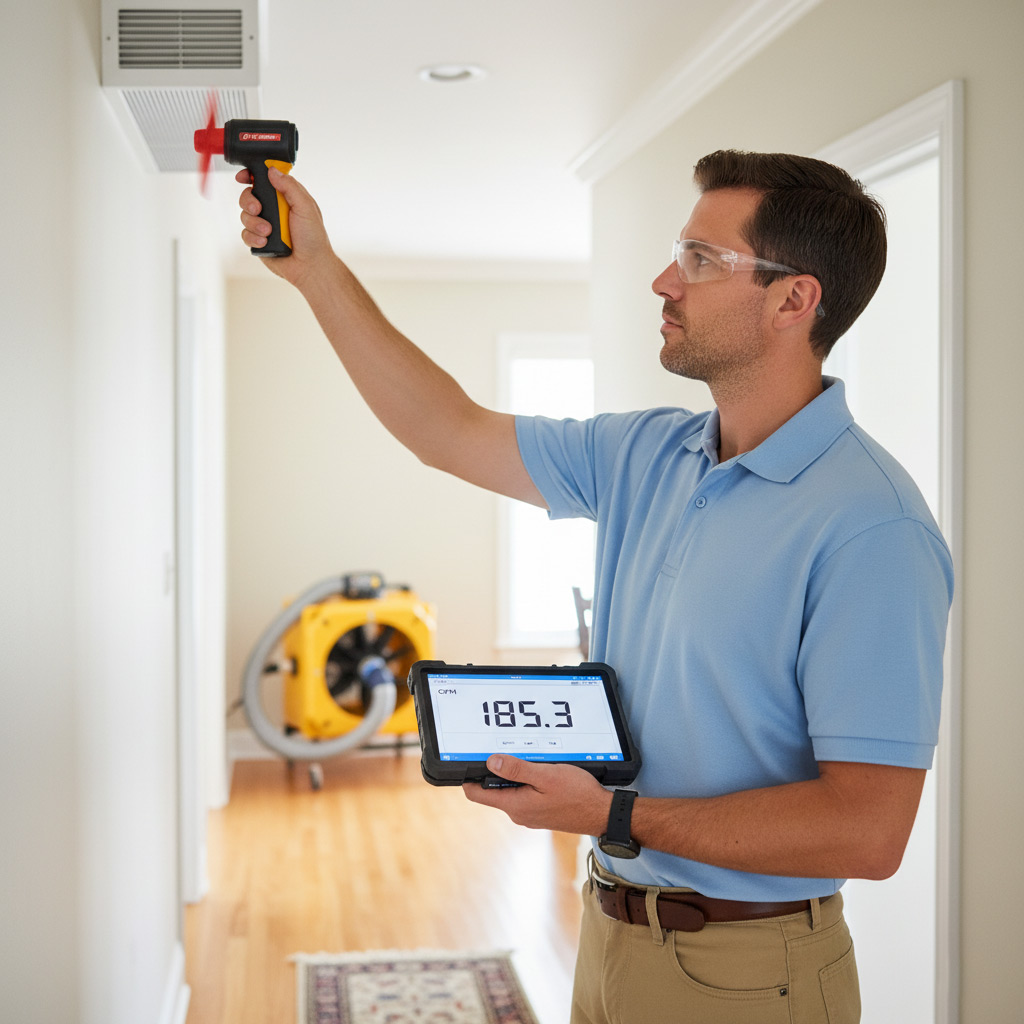
Even the best‑sized unit can flop if the air can’t travel. Designers map out static pressure and select fans that keep air moving at the sweet spot of 400‑600 CFM per ton.
Key steps include:
- Balancing supply and return sizes
- Using smooth‑walled ducts to cut turbulence
- Placing registers where they can deliver consistent temperature
Smart controls and zoning for desert living
Modern thermostats aren’t just knobs; they learn your schedule and adjust output on the fly. Pair them with zoning dampers, and each part of the house gets the exact comfort it craves.
When zones are set up right, you’ll notice cooler rooms in the afternoon and a drop in your utility bill without lifting a finger.

Precise Load Calculations: Avoiding Over‑Sizing and Under‑Sizing
Why Load Matters
Getting the right BTU count is the difference between a home that breathes easy and one that sweats. Too big and the unit short‑cycles, wasting energy and wearing out components fast. Too small and you’ll hear the compressor scream on the hottest days.
- Comfort stays consistent.
- Utility bills drop.
- Equipment lifespan extends.
How the Pros Crunch the Numbers
We start with a Manual J load analysis, the gold standard for desert homes. Modern software plugs in square footage, window orientation, insulation R‑values, and even the number of occupants.
- Solar gain from south‑facing glass.
- Night‑time cooling potential.
- Local humidity swings.
The Cost of Guesswork
When contractors guess, they either slap on a monster unit or a tiny box. The former spikes electricity use; the latter leaves you shivering while the thermostat fights a losing battle.
- Over‑sized: higher start‑up currents, frequent cycling.
- Under‑sized: constant run time, uneven rooms.
- Both: premature warranty claims.
Optimized Ductwork Design for Consistent Airflow
In a desert home, the duct network is the highway that carries cool relief to every room. If the route is crooked or too tight, you’ll feel hot spots, wasted energy, and a system that fights itself. Smart designers map the flow before the first sheet of metal hits the ceiling.
Key Elements of a Balanced Duct System
- Proper sizing – ducts that are too small choke the air; too large wastes fan power.
- Seamless transitions – smooth elbows and gradual bends keep pressure steady.
- Strategic placement – supply registers where occupants gather, return grilles where stale air pools.
When each of these pieces clicks, the blower works at its sweet spot, delivering a uniform temperature from the kitchen to the master suite. That’s the difference between a whispering breeze and a rattling roar.
Common Mistakes and How to Dodge Them
- Using “one‑size‑fits‑all” ducts – every house has its own load profile.
- Skipping the pressure test – a quick check reveals leaks before they become costly.
- Ignoring insulation – unwrapped ducts in the attic become mini‑ovens.
By catching these slip‑ups early, you avoid the nightmare of a system that sputters in summer and shivers in winter. That’s why Tempe owners trust pros who treat ductwork like a precision instrument, not a afterthought.

Energy Efficiency Strategies and Smart Controls for Desert Homes
Living in Tempe means the sun never takes a day off, so every watt counts. A well‑tuned system can shave dollars off your bill while keeping the house cool enough to make a desert rose blush. Smart design + tech = comfort without the waste.
Smart thermostats and zoning
One thermostat for the whole house is a relic. Modern controllers let you set different temperatures for each zone, so the bedroom stays cool while the garage stays off‑limits to the AC.
- Programmed schedules that match your daily rhythm.
- Remote access via phone—adjust the temp from the pool.
- Learning algorithms that remember your preferences.
Other tech tricks
Beyond the thermostat, a few gadgets can make a big difference.
- Variable‑speed fans that ramp up only when needed, cutting idle run‑time.
- High‑efficiency filters that keep dust out without choking airflow.
- Solar‑powered ventilation fans that exhaust hot air without pulling from the grid.
Case Study: Custom HVAC Design Success in a Tempe Residence
The Homeowner’s Pain Points
When the Martinez family moved into their 2,300‑sq‑ft ranch, the existing unit sputtered on scorching afternoons and shivered on chilly evenings. They were fed up with sky‑high bills and uneven temperatures that left one side of the house feeling like a sauna.
Our Design Solution
We started with a precise Manual J load calculation, pinpointing exactly how much heating and cooling each room needed. Right‑sized equipment replaced the old, oversized furnace, and a new variable‑speed air handler kept airflow smooth.
Next, we re‑engineered the duct network: larger trunks, tighter bends, and insulated runs that eliminated hot spots. A smart thermostat paired with zone dampers gave the Martinez crew control at their fingertips.
Results That Speak Volumes
- Energy use dropped 28% in the first six months.
- Indoor temperature variance fell from a 12°F swing to under 3°F.
- Homeowner satisfaction hit a perfect 10/10 – “It feels like the house finally breathes,” says Mrs. Martinez.
Final Words
When you choose a design that matches Tempe’s heat, you’re not just buying comfort—you’re buying peace of mind. A system that’s sized right, ducted clean, and wired to smart controls will keep you cool for years without surprise repairs.
Take Action Today
- Schedule a free load‑calculation audit.
- Ask for a duct‑flow diagram before any work begins.
- Insist on a smart thermostat that talks to your utility.
These three steps cut guesswork and lock in savings before the next summer scorch. Don’t settle for a one‑size‑fits‑all install.
Need a Pro?
If you’re ready to lock in a system that actually works for your desert home, click the link below and explore the full suite of services we offer under HVAC System Design. The right design is only a call away.
People Also Ask
What makes Tempe’s climate unique for HVAC design?
Tempe experiences extreme heat, low humidity, and occasional monsoon storms, requiring systems that can handle high cooling loads while maintaining indoor comfort and protecting against moisture intrusion.
Why is accurate load calculation critical for Tempe homes?
Precise load calculations prevent over‑sizing, which wastes energy, and under‑sizing, which leads to inadequate cooling. Proper sizing ensures optimal performance and lower utility bills.
How does professional ductwork design improve airflow?
Experts design duct layouts that balance pressure, minimize leaks, and reduce static loss, delivering consistent temperature throughout the home and enhancing system efficiency.
What energy‑saving strategies do HVAC designers recommend for desert homes?
They often incorporate high‑SEER units, variable‑speed compressors, smart thermostats, and zoning controls to match cooling output with real‑time demand, cutting energy use.
Can a custom HVAC design increase my home’s resale value?
Yes, a well‑designed, energy‑efficient system is a strong selling point, signaling lower operating costs and comfort reliability to potential buyers.

Tempe HVAC brings over a decade of professional heating and cooling service to the Tempe community. Their team of certified technicians combines local knowledge with industry‑leading practices to keep homes and businesses comfortable year‑round. Committed to reliable, responsive service, they prioritize the unique climate needs of Arizona residents.
Need HVAC?
We deliver fast, results‑driven solutions for homes and businesses in Tempe, AZ and neighboring communities. Service covers the 85281, 85282, 85283, 85284, and 85285 ZIP codes.
Request HVAC Quote