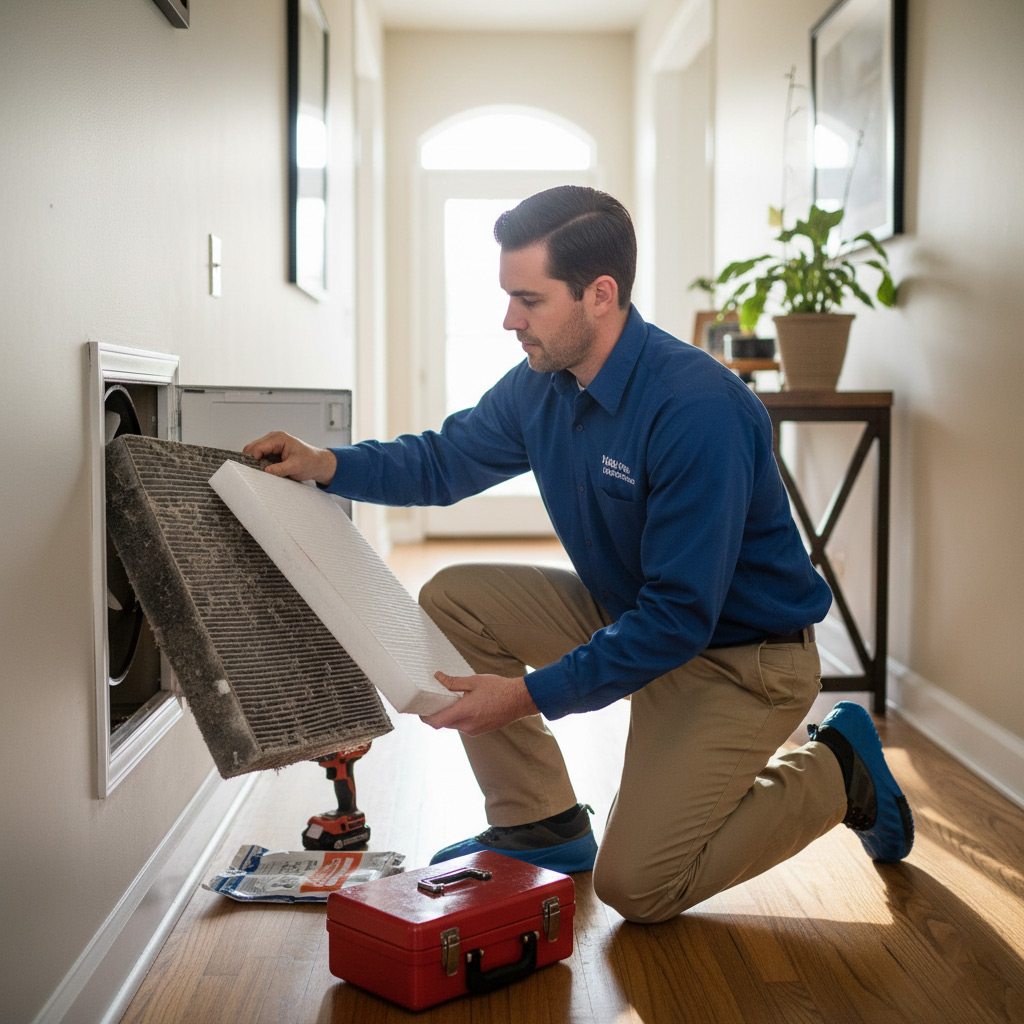
If you think a commercial AC unit just drops in like a pizza delivery, you’re in for a rude awakening.
Most business owners in Tempe hear the same sales pitch—“quick install, low price”—only to discover hidden permits, zoning quirks, and a maze of ductwork that can turn a simple job into a month‑long saga.
What you really need is a straight‑talk guide that cuts through the hype and shows you the exact steps to get a reliable system up and running without the nasty surprises—keep reading and you’ll see exactly how to protect your bottom line.
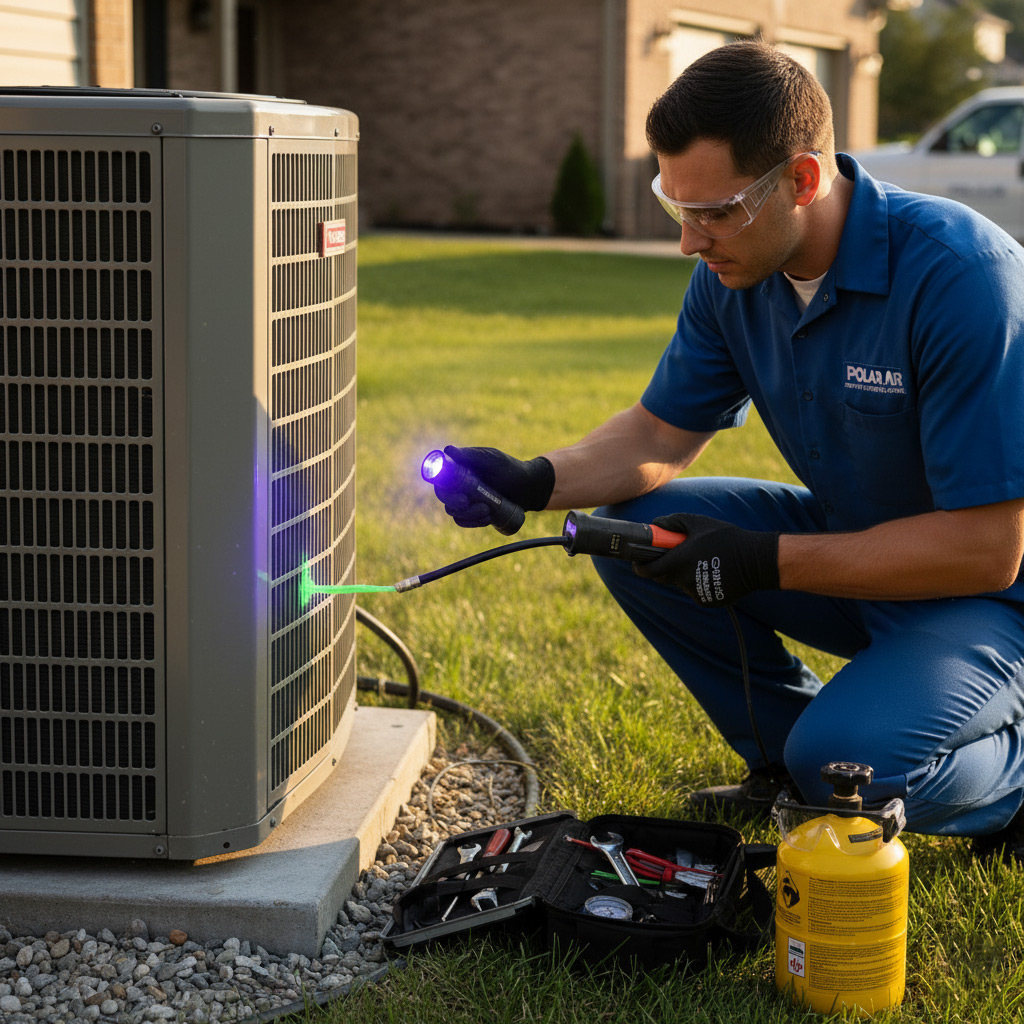
Understanding Tempe Building Codes, Permits, and Zoning Requirements
Before you even think about picking a unit, the city of Tempe will ask for paperwork. Missing a single form can stall the project for weeks, and nobody wants that when the heat is climbing. The good news? The rules are public, and with a clear checklist you can keep the process moving.
Permit Types You’ll Need
- Mechanical Permit – required for any new HVAC equipment or major modifications.
- Electrical Permit – covers wiring, disconnects, and any new circuits the unit demands.
- Structural Permit – if the rooftop or floor needs reinforcement for a heavier system.
Each permit has its own fee schedule and turnaround time. Submit the application early, attach detailed schematics, and you’ll avoid the dreaded “incomplete” notice that sends you back to square one.
Zoning Rules That Can Trip You Up
Tempe’s zoning map splits the city into commercial, mixed‑use, and industrial districts. Your location determines setbacks, noise limits, and even the type of condenser you can install.
- Setback: usually 10 feet from property lines, but some zones allow 5 feet with a variance.
- Noise: commercial zones permit up to 70 dB, while mixed‑use caps at 65 dB.
- Height: rooftop units can’t exceed the roofline by more than 3 feet without a special review.
Check the zoning designation on the City of Tempe’s online portal before you order equipment. A quick lookup now saves a costly redesign later.
Conducting a Precise Load Calculation and Choosing the Right Commercial AC System
Why Load Calculations Matter
Every square foot of your Tempe storefront draws a different amount of heat. Getting the numbers right means you won’t waste money on an oversized unit that hums without cooling, nor will you end up with a fridge‑sized system that can’t keep up on a scorching summer day.
Accurate data also protects you from surprise utility bills. When the load is spot‑on, the system runs at its sweet spot, saving you cash month after month.
Tools & Methods for a Spot‑On Load
Professional HVAC engineers rely on proven formulas and modern software. Here’s the quick checklist:
- Measure square footage, ceiling height, and window orientation.
- Account for equipment heat (servers, kitchen gear, lighting).
- Factor in occupancy patterns – peak vs. off‑peak.
- Run the numbers through ACCA Manual J or a reputable load‑calc program.
Skip the guesswork. A proper calculation can shave 10‑15% off your projected energy cost.
Picking the System That Fits
Once you have the BTU demand, match it to a unit that meets both capacity and efficiency goals. Look for:
- Variable‑speed compressors – they modulate output, keeping temperatures steady.
- High SEER ratings – the higher, the lower the electric bill.
- Compatibility with existing controls or a smart BMS for remote tweaks.
Choosing the right model now prevents costly retrofits later. It’s a one‑time decision that pays dividends for years.

Designing an Efficient Ductwork Layout That Meets Code and Performance Goals
Good ductwork is the hidden hero of any commercial AC system. If the air can’t travel cleanly, the whole unit sputters, wastes money, and trips code inspectors. Plan the path before you cut the metal.
Key Design Principles
Keep the run short, keep the pressure low. Every extra foot of pipe adds resistance, and every 90‑degree turn steals a slice of cooling power.
- Size it right – oversizing looks nice on paper but drives up fan energy.
- Seal every joint – tape or mastic, but never leave a gap.
- Balance the system – use static pressure gauges to fine‑tune each branch.
Common Pitfalls to Dodge
Don’t let the architect’s “pretty layout” dictate your ducts. Aesthetic curves often mean hidden elbows and extra loss.
- Skipping the pressure test – you’ll hear the complaint later.
- Ignoring local code on insulation – uninsulated ducts in a desert climate are a money‑burner.
- Relying on guesswork for airflow – a simple manual calculation beats a costly retrofit.
Step‑by‑Step Installation Timeline: From Site Prep to System Start‑Up
Phase 1 – Site Preparation
First thing’s first: clear the work zone and verify the permit wall‑board is posted. Safety checks happen before any heavy gear rolls in, so the crew can move fast without a hitch. Expect a quick walk‑through with the city inspector to lock down any last‑minute code quirks.
Phase 2 – Rough‑In & Ductwork
Once the area is locked, the team installs the base‑plate, mounts the condenser, and begins the duct chase. This is where the “hidden” time sinks appear, so we keep a tight schedule.
- Place the indoor air handler on the pre‑engineered support.
- Run refrigerant lines, electrical conduit, and condensate drain.
- Seal and test each duct segment for airflow compliance.
Every connection gets a pressure test; a leak now costs pennies, a leak later costs thousands.
Phase 3 – Final Hook‑up & Commissioning
With the rough‑in cleared, we hook up the thermostat, program the control board, and fire up the system. Performance verification includes a full load test, temperature swing check, and a quick walkthrough with the owner.
When the numbers match the design specs, we hand over the punch‑list, sign off the paperwork, and hand you the keys to a cool, reliable operation.

Hidden Costs, Financing Options, and Calculating True ROI
Hidden Costs You’ll Hit
Most quotes stop at the unit price, but the real bill shows up later. Electrical upgrades, structural reinforcements, and extra ductwork can add 15‑25% to the original estimate. Don’t forget permit fees that vary by zone and the occasional need for a fire‑rated enclosure.
- Electrical service panel upgrade
- Additional refrigerant line set
- Custom duct fabrication
- Permit and inspection fees
Financing Options That Keep Cash Flow Happy
Going all‑in with cash can cripple your working capital. Many Tempe contractors partner with local banks to offer 0% interest for 12 months or a 5‑year fixed‑rate loan. Some manufacturers even throw in a rebate if you choose their approved financing plan.
- Vendor‑direct financing – quick approval, same‑day funding
- Equipment leasing – upgrade path every 5‑7 years
- Energy‑efficiency incentives – state rebates can shave thousands off the price
Calculating the True ROI
Don’t just look at the purchase price; measure the savings over the system’s life. A high‑SEER unit can cut utility bills by 20‑30% in Tempe’s scorching summer. Factor in maintenance contracts and the expected lifespan—usually 15‑20 years—to see the payoff.
- Annual energy savings = (Current kWh × Rate) × % reduction
- Maintenance cost = $X per year (predictable, not surprise)
- Payback period = (Total installed cost – Incentives) ÷ Annual savings
Case Study: How We Delivered a Seamless Commercial AC Installation for a Busy Tempe Retail Complex
The Challenge
Owner Mike ran a 12‑store retail strip that was losing customers because the HVAC system kept tripping during peak afternoon traffic. Time was the enemy—the city required a new permit, and the existing ductwork was a tangled mess from a previous contractor.
Our Approach
We started with a 48‑hour site audit, mapping every vent, pipe, and electrical panel. Then we presented a three‑step plan that nailed the permit timeline, swapped out the old refrigerant, and re‑engineered the duct layout for even airflow.
Key moves included:
- Fast‑track permit filing using our pre‑approved template with the Tempe Planning Dept.
- Installing a variable‑speed rooftop unit that cut peak demand by 22%.
- Prefabricated duct sections that slotted into place in half the time of custom builds.
Results
Within 10 days the new system was humming, and the store’s energy bill dropped by $4,800 annually. Customers reported a noticeable comfort boost, and Mike’s foot traffic rose 15% in the first month.
Bottom line: a $78,000 investment paid for itself in 18 months, and the retailer avoided any future code penalties. That’s the kind of ROI most sales pitches gloss over.
Final Words
Now that you’ve walked through the whole process, the real work begins: keeping the system humming and protecting the investment you just made. Don’t let the paperwork sit on a shelf—file permits, warranty cards, and the load‑calc report where you can grab them fast.
Your Action Checklist
- Verify that the final inspection sign‑off matches the original plan.
- Schedule a 90‑day performance review with the installer.
- Set up a quarterly maintenance contract before the first warranty claim.
- Train staff on thermostat basics and emergency shut‑off procedures.
When you’re ready to expand or upgrade, remember the Commercial AC Installation page is a one‑stop shop for design, permits, and financing options. A solid partner will keep the paperwork light, the ducts clean, and the cooling steady—no surprises, just results.
People Also Ask
What permits are required for a commercial AC installation in Tempe?
You must obtain a building permit from the City of Tempe and any applicable zoning approvals. The permit process also includes a mechanical inspection to verify compliance with local codes and energy standards.How is the proper size of a commercial AC system determined?
A precise load calculation using ACCA Manual J or Manual N is performed to assess cooling needs based on square footage, occupancy, equipment heat, and solar gain. Selecting a system that matches this load ensures efficiency and avoids costly over‑ or under‑sizing.Why is ductwork design critical for commercial AC performance?
Well‑designed ductwork minimizes pressure loss, balances airflow, and meets code requirements for insulation and sealing. Proper layout improves system efficiency, reduces energy bills, and extends equipment lifespan.What hidden costs should businesses expect during installation?
Beyond equipment price, budget for structural modifications, electrical upgrades, permit fees, and potential asbestos or lead remediation. Accounting for these items early helps avoid surprise expenses and keeps the project on schedule.How can a commercial AC installation provide a good return on investment?
Choosing high‑efficiency units, optimizing duct design, and leveraging available financing or tax incentives lower operating costs. Over time, reduced energy consumption and fewer maintenance calls translate into a measurable ROI.
Tempe HVAC brings over a decade of professional heating and cooling service to the Tempe community. Their team combines certified expertise with a deep understanding of local climate needs to keep homes and businesses comfortable year‑round.
Need HVAC?
We deliver fast, results‑driven solutions for homes and businesses in Tempe, AZ and neighboring communities. Service covers the 85281, 85282, 85283, 85284, and 85285 ZIP codes.
Request HVAC Quote