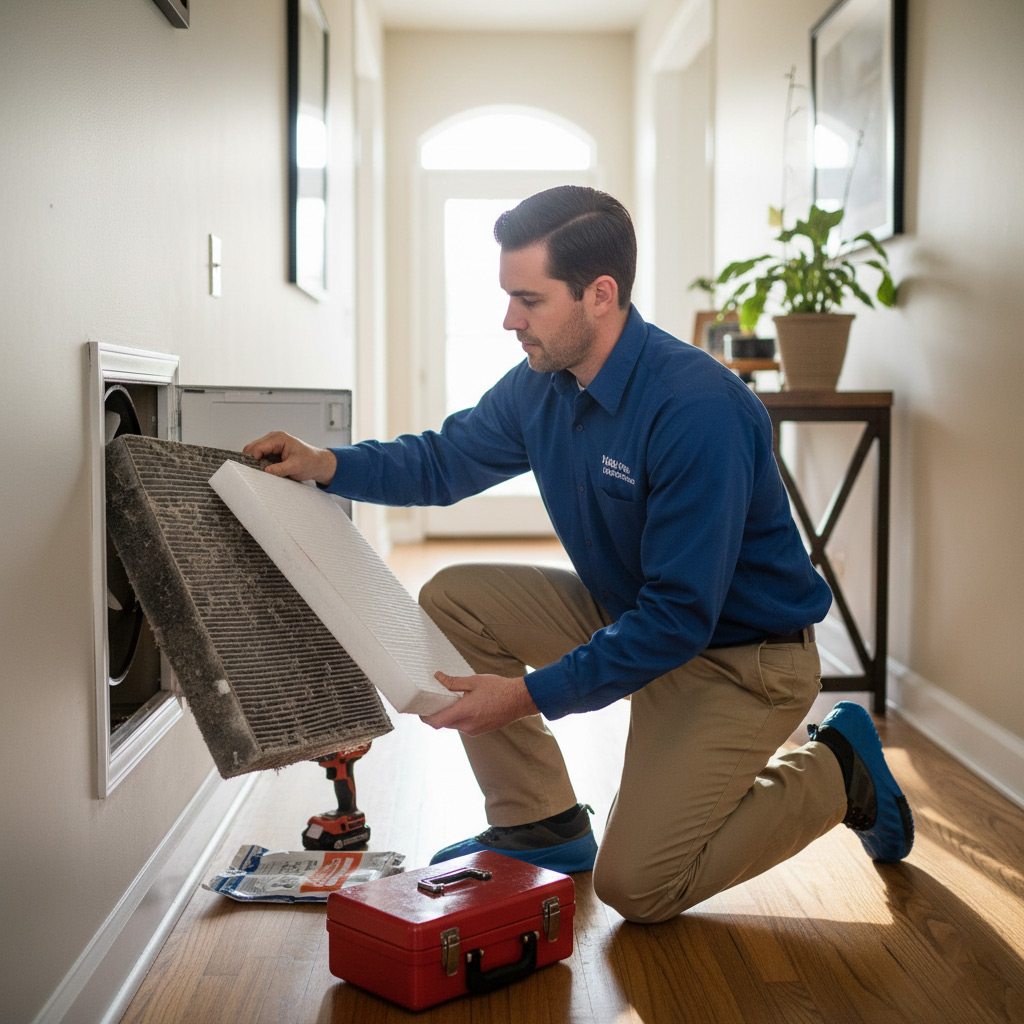
Imagine a Tempe warehouse that’s blowing a fortune on cooling while the competition runs a cooler operation on a fraction of the cost. The secret isn’t a fancy new unit—it’s a set of overlooked tweaks that most plant managers never even consider.
Most industrial owners think they’ve got their HVAC game locked down, but hidden leaks, mis‑sized ducts, and outdated control logic are silently draining cash. Those same mistakes keep big players from hitting the bottom line they deserve.
In the next few minutes we’ll pull back the curtain on the tactics the savvy few use to slash energy bills and boost system life. Keep reading and you’ll discover exactly what they don’t want you to know.
Hidden Energy Drains: Spotting the Overlooked HVAC Inefficiencies in Tempe Industries
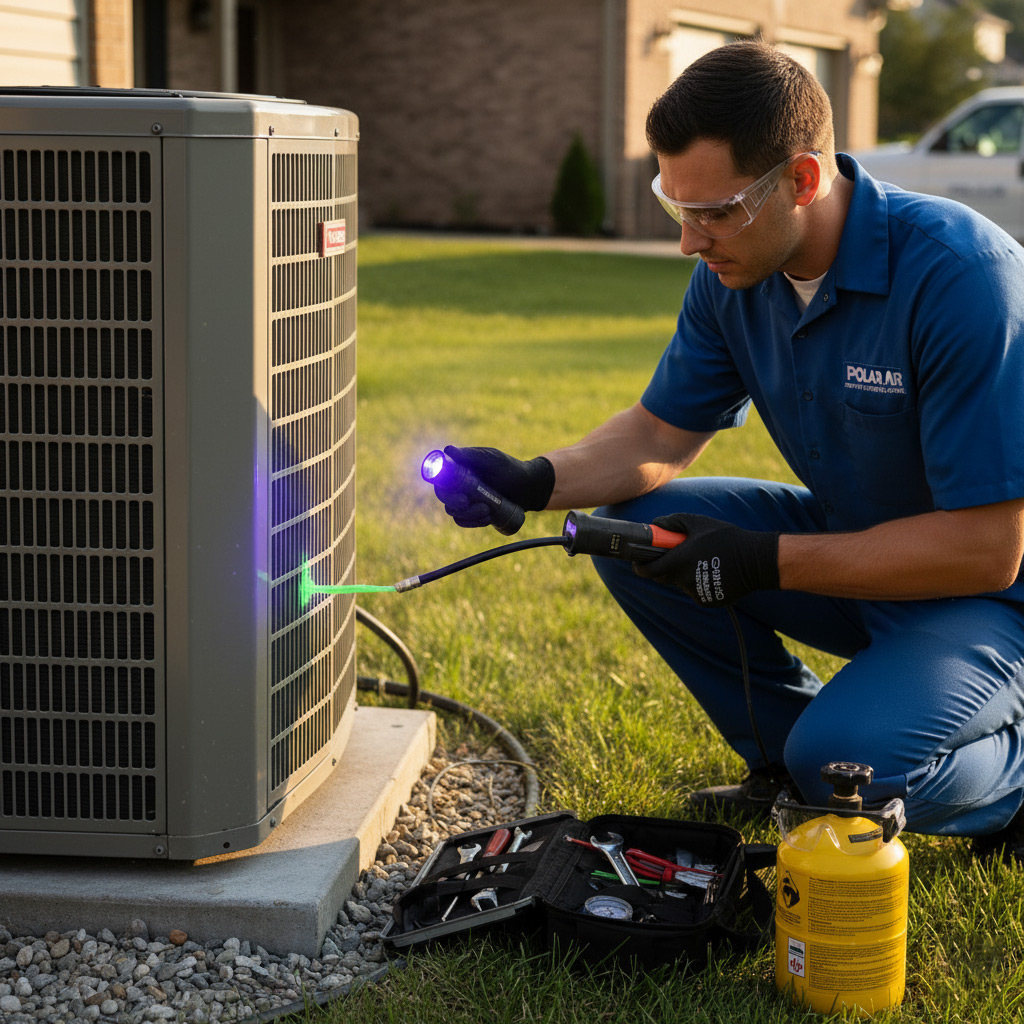
Most plant managers assume their HVAC system is humming along just fine, but a silent thief is often at work—air that leaks out before it ever reaches the floor. Even a 5% loss in airflow can add up to thousands of dollars each month, especially under the Arizona sun. The good news? You can catch these leaks with a flashlight, a smoke pencil, and a little curiosity.
Common culprits that bleed power
- Unsealed duct joints – tiny gaps that let conditioned air escape into the attic.
- Oversized fans that spin faster than needed, burning electricity for no reason.
- Dirty coils that force the compressor to work harder, raising utility bills.
- Improperly calibrated thermostats that trigger cooling cycles at the wrong time.
Quick audit steps for a faster fix
- Turn off the system and feel every duct connection; any draft is a red flag.
- Inspect coil surfaces; if they look gray, they’re begging for a clean.
- Check fan motor amperage with a clamp meter; a spike means the motor is oversized.
- Review thermostat schedules; align them with actual production shifts.
Right‑Sizing Ductwork and Equipment for Maximum Efficiency
Too big a blower is a money‑sucking monster. It spins faster than needed, burns extra kilowatts, and forces your utility bill to climb. Right‑sizing means matching airflow to the actual load, not the imagined worst‑case.
How to size it right the first time
Start with a detailed load calculation. Use real‑time data from your plant’s temperature sensors, not generic tables. Then compare the result to the manufacturer’s performance curves.
- Airflow: Aim for 400‑600 CFM per 1,000 ft² of floor space.
- Static pressure: Keep it under 0.5 in. wg to avoid over‑working fans.
- Motor horsepower: Choose the smallest motor that meets the calculated CFM.
When the duct network is oversized, air rushes through too fast, creating turbulence and noise. Trim the ducts, add proper transitions, and seal every joint. The payoff? Lower fan power, quieter operation, and a system that actually lasts.

Smart Controls & Automation: Upgrading Legacy Systems Without a Full Replacement
Imagine slipping a brain into a busted furnace and watching it start to think for itself. That’s what a modern controller does—it learns, adjusts, and cuts waste before you even notice a spike on the meter.
Why retrofit beats a full‑blown replacement
Old units still have plenty of life left; you just need to give them a smarter command center. The payoff is immediate, and the disruption is minimal.
- Instant load shedding when demand spikes.
- Real‑time alerts that stop a frozen coil before it freezes your budget.
- Scalable modules—add a sensor today, a dashboard tomorrow.
Practical steps to get there
Start with the low‑hanging fruit: install variable‑frequency drives (VFDs) on fans and pumps. Then layer on occupancy sensors and temperature probes that feed a cloud‑based controller.
- VFDs trim motor speed by up to 30% during off‑peak hours.
- Smart thermostats talk to your ERP, syncing production schedules with cooling needs.
- Wireless gateways eliminate the need to trench new wiring.
The math is simple—spend a few thousand on a controller, reap tens of thousands in energy savings each year. Arizona rebates often cover 40% of the cost, so the net out‑of‑pocket hit is tiny. Get the system talking, and watch the bills shrink.
Proactive Maintenance Plans: Extending Equipment Life and Cutting Costs
Most plant managers wait for a breakdown before they call a tech. That mindset burns money faster than a leaky compressor. A scheduled plan catches the problem while it’s still cheap to fix.
What a solid plan looks like
It’s a calendar, not a wish list. Every critical component gets a check‑up before it can cause a shutdown. The result? Fewer emergency calls, predictable labor costs, and a system that runs smoother year after year.
Key ingredients of a winning maintenance contract:
- Quarter‑hourly inspections of filters, belts, and coils.
- Performance testing of fans and compressors at peak load.
- Remote diagnostics via IoT sensors that flag anomalies in real time.
- Seasonal tune‑ups that align with Arizona’s temperature swings.
- Documentation that tracks wear patterns and predicts parts replacement.
When you lock in a plan, you lock out surprise expenses. The math is simple: regular service = longer life + lower utility bills. That’s the kind of hidden profit most competitors overlook.
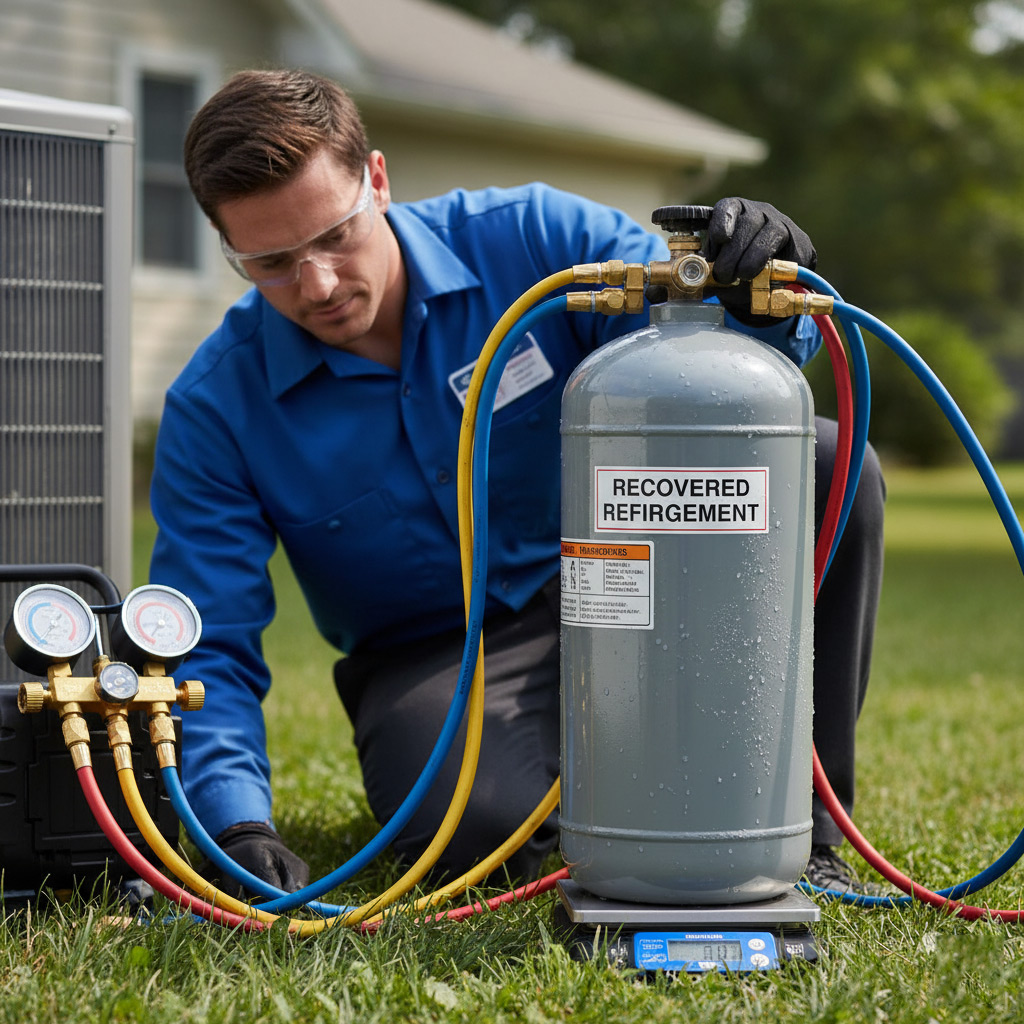
Case Study: How a Tempe Manufacturing Plant Cut HVAC Expenses by 45%
When Sunrise Metals walked into our shop, their utility bill read like a phone number—10‑digit, never‑ending, and impossible to dial down. Their 250,000‑sq‑ft facility was running three aging chillers, a maze of undersized ducts, and a control panel that still spoke in analog.
What We Fixed
We didn’t replace everything. We targeted the low‑hanging fruit that was bleeding cash:
- Sealed 12,000 sq ft of duct leaks with high‑temperature foil tape.
- Installed variable‑frequency drives on two of the three chillers.
- Reprogrammed the legacy thermostat logic to a set‑point strategy that matches production cycles.
The crew worked in three shifts, so the plant never stopped. Within 30 days the energy meter started to wobble—downward.
Results That Speak
After six months, the numbers were crystal clear: a 45 % drop in HVAC‑related electricity costs, translating to roughly $250,000 saved annually. Payback on the $120,000 upgrade hit the 6‑month mark, and the plant’s carbon footprint shrank by 1,200 tons CO₂.
Sunrise Metals now runs a cooler operation with a hotter bottom line. The secret? Focus on the fixes that matter, not the flash that dazzles.
Financing, Rebates, and Incentives: Funding Your Industrial HVAC Upgrade in Arizona
Money talks, but you don’t have to shout to get it. Arizona’s utility companies and the state government have carved out cash pools that most plant managers never even see. The trick is knowing where to look and how to apply without getting lost in paperwork.
Tap the State’s Cash
Arizona’s Energy Office runs a handful of programs that can cover a chunk of your upgrade cost. It’s not a grant you have to fight for—it’s a rebate that drops straight into your account once the work is verified.
- Industrial Energy Efficiency Rebate: Up to 30% back on high‑efficiency chillers and variable‑speed drives.
- Solar‑Ready HVAC Incentive: Combine a solar array with your HVAC and snag an extra 10% rebate.
- Arizona Small Business Loan: Low‑interest, 5‑year term, perfect for mid‑size facilities.
Utility Money That Doesn’t Require a Credit Check
APS and SRP love to reward customers who cut their demand spikes. They’ll hand you a check for installing smart controls or upgrading to ENERGY STAR‑rated equipment.
- APS Demand‑Side Management rebate – up to $5,000 per ton of cooling capacity.
- SRP Energy Savings Incentive – $0.10 per kWh saved in the first year.
- Both utilities offer “quick‑pay” options that settle within 30 days of project completion.
Tax Tricks That Put Money Back in Your Pocket
Don’t forget the federal side of the game. The Section 179 deduction lets you write off the entire HVAC system in the year you install it, slashing taxable income.
- Bonus Depreciation: 100% write‑off for equipment placed in service before 2027.
- Energy‑Efficient Commercial Building Tax Credit: 10% of qualified costs, capped at $500,000.
- Combine state rebates with these tax breaks and you could see a net out‑of‑pocket cost under 20% of the original price.
Final Words
Before you walk away, remember that every extra kilowatt‑hour you shave off is cash back in your pocket. A tiny tweak today can mean a six‑figure saving by year‑end.
What to Do Right Now
- Grab a thermal imaging camera and hunt for hidden leaks.
- Schedule a duct audit with a certified Tempe contractor.
- Ask for a free energy‑use report – most firms will give it without a hard sell.
Got questions? Need a partner who knows the Tempe industrial scene inside out? Check out our full suite of services under Industrial HVAC Services and let’s get your plant humming at the right pitch.
People Also Ask
What are the most common hidden energy drains in industrial HVAC systems?
Most hidden drains are leaky ductwork, improperly calibrated thermostats, and oversized equipment that cycles on and off frequently. These issues can increase energy use by 10‑30% without obvious signs.How does right‑sizing ductwork improve HVAC efficiency?
Right‑sized ducts reduce airflow resistance, allowing the system to operate at its optimal pressure and temperature range. This minimizes fan power consumption and prevents premature wear on compressors.Can smart controls upgrade an older HVAC system without full replacement?
Yes, adding smart thermostats, variable‑frequency drives, and IoT sensors can retrofit legacy equipment to improve demand response and reduce waste. These upgrades often deliver ROI within 12‑24 months.What benefits do proactive maintenance plans provide for industrial HVAC?
Regular inspections catch wear, filter clogging, and refrigerant leaks before they cause costly breakdowns. A structured plan can extend equipment life by 20‑30% and lower utility bills.Are there financing options or rebates for HVAC upgrades in Arizona?
Arizona offers utility rebates, federal tax credits, and low‑interest loans through programs like the Arizona Energy Office. These incentives can cover up to 30% of upgrade costs, making projects more affordable.
Tempe HVAC brings over a decade of specialized heating and cooling expertise to homes and businesses throughout Tempe, AZ. Their team combines certified technicians with a deep understanding of the local climate to deliver reliable, energy‑efficient solutions. Committed to responsive service, they prioritize comfort and safety for the community they serve.
Need HVAC?
We deliver fast, results‑driven solutions for homes and businesses in Tempe, AZ and neighboring communities. Service covers the 85281, 85282, 85283, 85284, and 85285 ZIP codes.
Request HVAC Quote