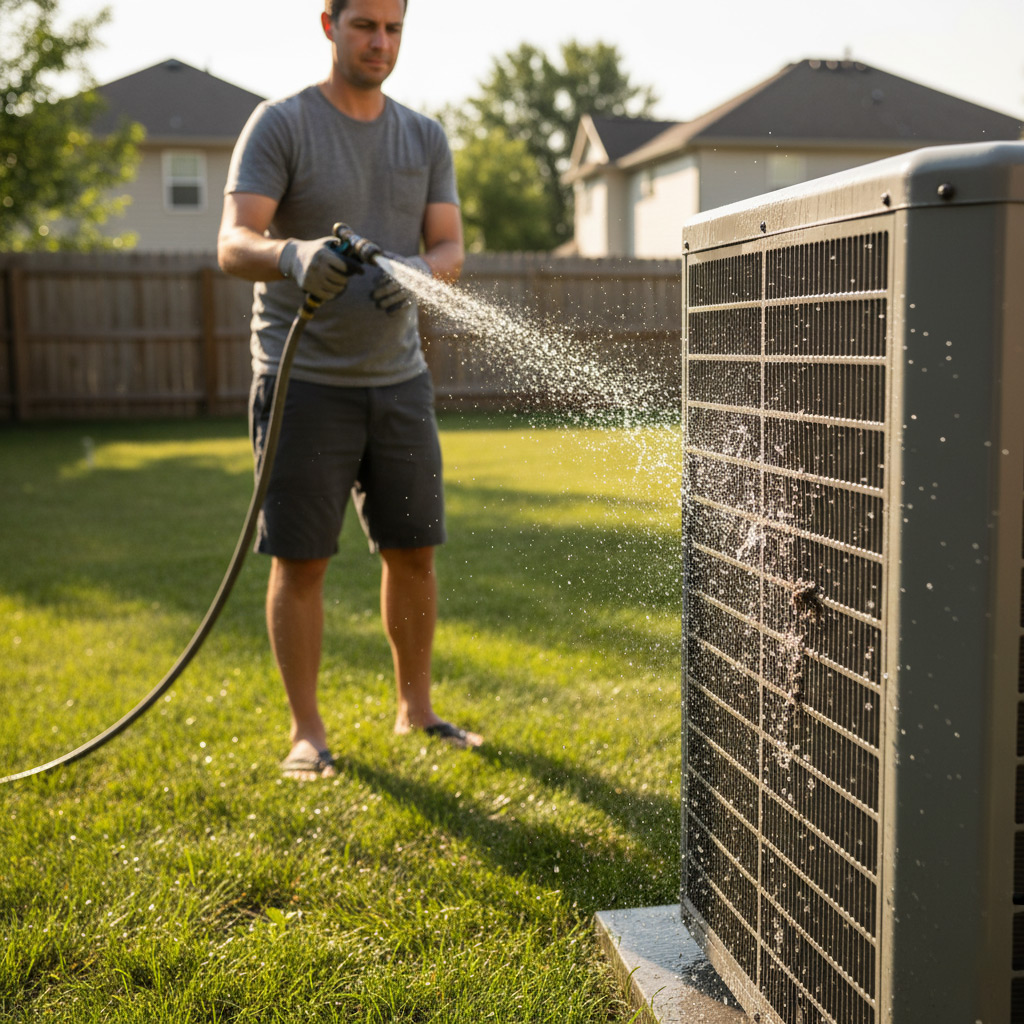
When the desert hits 110°, a sputtering heat pump can turn your living room into a sauna in minutes.
Most Tempe residents just call the first tech they find, but the ones who stay cool know there’s a smarter playbook.
They keep a maintenance calendar, vet contractors with real reviews, and know the exact signs that say “call a pro now” instead of “wait until it blows.”
If you’re ready to stop guessing and start fixing your heat pump the way Tempe’s savviest homeowners do, keep reading.
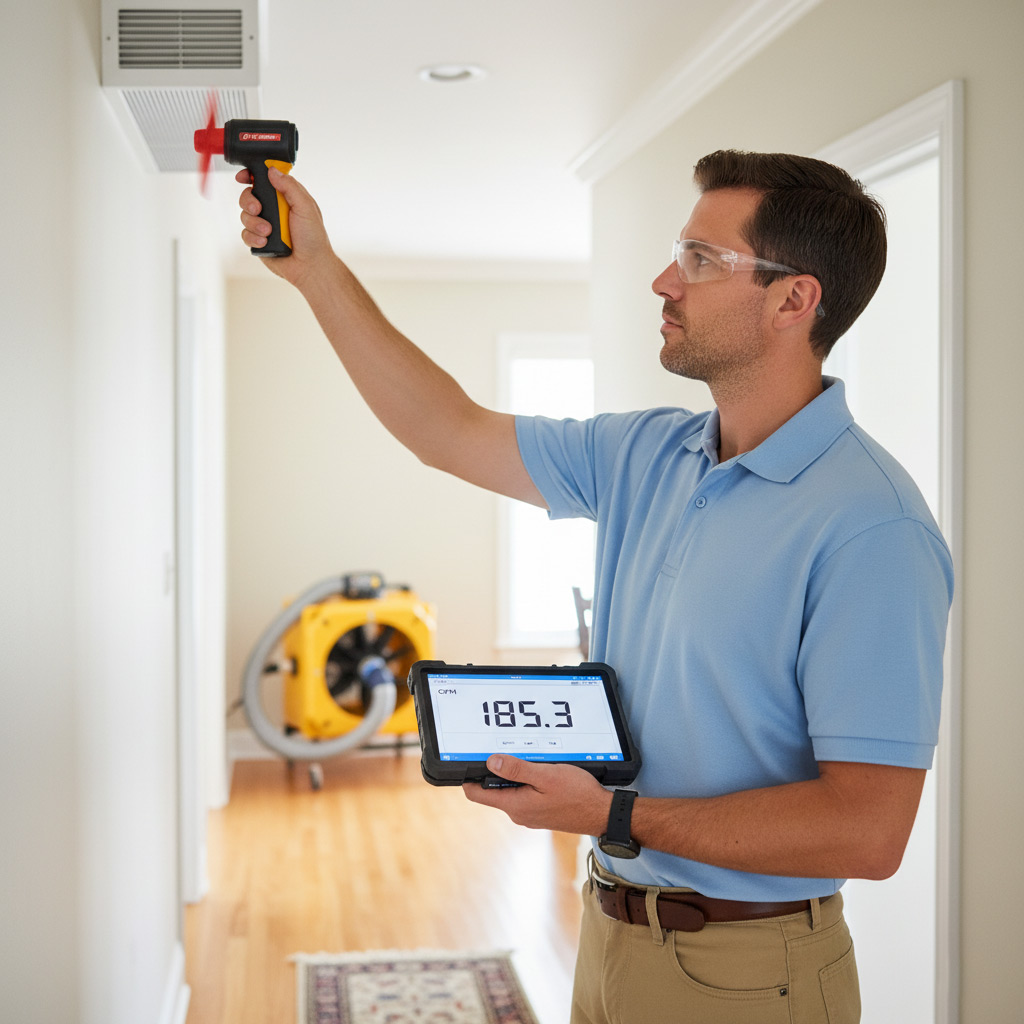
How Heat Pumps Operate in Tempe’s Extreme Temperatures
In a desert city like Tempe, a heat pump isn’t just a thermostat‑controlled fan—it’s a climate‑hacking machine that flips its refrigerant cycle to heat or cool on demand. When the mercury climbs past 100°F, the unit works harder, pulling heat from the scorching outdoor air and delivering it inside, while in winter it does the opposite, extracting warmth from the mild desert night.
The Two‑Stage Dance
Understanding the dance helps you spot when the rhythm is off. A heat pump has three key players:
- Compressor – squeezes refrigerant, raising its temperature.
- Outdoor coil – absorbs or releases heat depending on mode.
- Indoor blower – circulates conditioned air through your home.
When the sun blazes, the compressor runs longer, the outdoor coil gets hot, and the indoor blower pushes cooler air to keep you comfortable.
Why Tempe’s Heat Tests the System
Extreme heat drops the unit’s Coefficient of Performance (COP), meaning you get less cooling output per kilowatt of electricity. The result? Higher bills and a quicker wear‑and‑tear cycle.
- High ambient temps force the compressor to work at peak capacity.
- Dust and sand can clog the outdoor coil, choking airflow.
- Rapid temperature swings between day and night stress the refrigerant charge.
Smart locals know that a heat pump designed for milder climates will struggle here, so they choose models rated for “high‑temperature operation” and keep the coil clean year‑round.
The Five Early Warning Signs Your Heat Pump Needs Immediate Attention
Heat pumps are tough, but they’re not invincible. In Tempe’s scorching climate, a minor glitch can become a major headache faster than you can say “air‑conditioner.” Spotting the trouble early is the difference between a quick fix and a full‑blown replacement.
Spot the Red Flags
- Weak or uneven airflow – some rooms stay chilly while others feel like a sauna.
- Strange noises – rattles, squeals, or a high‑pitched whine that wasn’t there before.
- Frequent short‑cycling – the unit powers on and off every few minutes.
- Ice buildup on the outdoor coil – frost that refuses to melt after a run.
- Sky‑high energy bills – a sudden jump that can’t be explained by a heat wave alone.
When any of these pop up, don’t wait. Ignoring them is a fast track to a total shutdown when the desert hits 110°. Call a certified tech before the problem snowballs.
Even if you’re a DIY fan, these signs are a clear “call the pros” alarm. A quick inspection now saves you from a costly emergency repair later.

Creating a Proactive Maintenance Calendar: Tasks, Timing, and Checklists
Why a Calendar Beats Guesswork
In Tempe’s heat, a missed service can turn a modest repair into a costly emergency. Map it out once, and you’ll never scramble again.
Start with a simple spreadsheet or a phone app and lock in these recurring duties:
- Monthly*: check the outdoor coil for debris.
- Quarterly*: test the thermostat calibration.
- Bi‑annual*: clean the indoor air filter and inspect refrigerant lines.
Seasonal Timing
Spring and fall are the sweet spots for deep dives because the system isn’t fighting extreme temps. Schedule a professional tune‑up right before the summer surge.
Mark these dates on your calendar and set a reminder 7 days ahead:
- April 15 – Full system inspection.
- October 1 – Pre‑winter safety check.
Your Checklist in Action
Turn each task into a tick‑box so you can see progress at a glance. Seeing “done” beats the anxiety of “maybe I missed something.”
Print the list, stick it on the fridge, and update it after every service. A quick glance tells you whether you’re on track or need to call a tech.
Vetting HVAC Contractors: Real Reviews, Certifications, and Local Reputation
Why Real Reviews Matter
Tempe homeowners trust the voices that actually live next door, not a glossy ad.
Look for reviews that mention response time, parts availability, and how the tech handled a surprise breakdown.
- Google My Business – filter for 4‑star and above, read the 2‑sentence complaints.
- Yelp – focus on reviewers who detail the service, not just a rating.
- Nextdoor – neighbors will spill the beans on who shows up on time.
Check the Credentials
A certified tech knows the difference between a refrigerant leak and a simple sensor glitch.
Ask for the contractor’s EPA 608 certification and any manufacturer‑specific training.
- Arizona State Licensing Board – verify the license number online.
- Manufacturer partnerships – look for “Authorized Service Provider” badges.
- Insurance proof – a quick PDF should show coverage limits.
Local Reputation Wins
Word travels fast in Tempe’s tight‑knit neighborhoods.
Ask your HOA board or the local coffee shop barista who they call when the heat pump sputters.
- Community Facebook groups – see who gets thanked in the comments.
- Local trade shows – a booth with a genuine smile often means they care.
- Repeat business – a contractor who’s been around for 5+ years likely does the job right.

DIY Diagnostics vs. Professional Intervention: A Decision‑Making Framework
When to Roll Up Your Sleeves
If the unit is humming but not heating, a quick filter swap or thermostat reset can save you a callout fee. Check the outdoor coil for ice buildup—a thin layer often clears up after you let the fan run a few minutes.
Simple tasks like tightening loose wires or clearing debris from the condensate drain are safe for a homeowner with a basic tool kit. Remember: the goal is to restore function, not to tinker with refrigerant lines.
When to Pick Up the Phone
Any sign of a burnt smell, loud grinding, or intermittent shutdowns means the compressor or motor is likely compromised. Don’t gamble with components that require EPA‑certified handling.
Leaking refrigerant, erratic temperature swings, or error codes flashing on the control board are red flags that only a licensed tech should touch. A misstep here can cost you double in repairs.
Quick Decision Checklist
- Noise level: Soft buzz → DIY; loud clank → pro.
- Temperature response: Slight lag → filter/thermostat; no heat at all → call.
- Visual clues: Ice or dirt → clean; oil stains or corrosion → professional.
- Code alerts: None or simple reset → DIY; persistent codes → tech.
Case Study: Rapid Heat Pump Repair for a Tempe Homeowner – From Failure to Full Function in 48 Hours
The Call That Sparked Action
When Maria noticed her heat pump sputtering and the indoor temperature climbing to 95°F, she didn’t waste time scrolling through generic ads. She pulled up the vetted list she’d built last summer, dialed the top‑rated local tech, and booked an emergency slot for the same afternoon.
Diagnosis & The 48‑Hour Fix
The technician arrived, ran a quick visual inspection, and identified three critical issues that were choking the system. Within an hour he had a clear game plan:
- Replaced a burnt‑out capacitor that was preventing the compressor from kicking in.
- Cleaned the outdoor coil of desert dust that had reduced airflow by nearly 40%.
- Refilled the refrigerant charge to the manufacturer’s spec, restoring proper heat exchange.
All parts were on hand because the contractor kept a stocked inventory for “quick‑turn” jobs. By the end of day two, the unit was humming, and the thermostat read a comfortable 72°F.
Takeaways for Smart Tempe Homeowners
Maria’s experience proves that a prepared homeowner can shave days off a costly outage. The secret sauce? A pre‑approved contractor list, a maintenance calendar that flags “check coil” and “test capacitor” every six months, and the willingness to act the moment the first warning sign appears.
Final Words
Smart Tempe homeowners treat their heat pump like a prized car—regular check‑ups, a trusted mechanic, and a clear warning‑light system. When you follow the steps laid out above, you’ll dodge the dreaded “heat‑pump‑gone‑cold” moment and keep your indoor oasis humming all year.
Your 30‑Day Action Plan
- Mark the first Monday of each month for a quick visual inspection.
- Schedule a professional tune‑up before the summer peak (late April is ideal).
- Log any odd noises or temperature swings in a simple notebook or phone note.
Got a red flag and need a pro who knows the desert heat? Heat Pump Repair specialists in Tempe are just a call away, ready to jump in before the next wave of scorching days hits.
People Also Ask
How often should I schedule professional heat pump maintenance in Tempe?
A professional inspection every six months—once before the summer heat and once before winter—keeps the system running efficiently and catches issues early.What are the most common heat pump problems in Tempe’s extreme climate?
Typical issues include refrigerant leaks, clogged coils from dust and pollen, and compressor strain caused by prolonged high‑temperature operation.Can I troubleshoot a noisy heat pump myself before calling a technician?
You can safely check for loose panels, debris on the outdoor unit, and filter blockage, but any persistent rattling or grinding noises should be evaluated by a certified HVAC pro.What certifications should I look for when hiring a heat pump repair contractor in Tempe?
Prioritize technicians with NATE certification, a valid Arizona contractor’s license, and proof of ongoing manufacturer training for your specific heat pump brand.How do smart locals reduce heat pump repair costs?
They follow a proactive maintenance calendar, address early warning signs promptly, and choose reputable, locally vetted contractors, which minimizes emergency repairs and extends equipment lifespan.
Tempe HVAC brings over a decade of certified expertise to homes and businesses throughout Tempe, AZ. Their team combines thorough training with a deep understanding of the local climate to deliver reliable heating and cooling solutions. Committed to responsive service, they prioritize comfort and efficiency for the community they serve.
Need HVAC?
We deliver fast, results‑driven solutions for homes and businesses in Tempe, AZ and neighboring communities. Service covers the 85281, 85282, 85283, 85284, and 85285 ZIP codes.
Request HVAC Quote