
If you’ve ever sweated through a Tempe July night while your thermostat screams “set it lower,” you know the city’s climate doesn’t play nice.
Most homeowners grab the first unit they see, only to discover it can’t handle the desert swing from 105° to 55°. The wrong design burns money faster than a desert sun.
What if you could pick a system that rides those temperature roller‑coasters like a pro, keeping every room at the perfect sweet spot? Keep reading and you’ll learn the exact design tricks pros use to lock in comfort and cut bills.

Understanding Tempe’s Unique Climate Challenges
Tempe lives in a desert pocket where the sun blazes at 105°F in July and can dip to the mid‑50s when a cold front rolls in. That swing isn’t just uncomfortable—it forces any HVAC system to work overtime. Low humidity means the air feels hotter than the thermometer says, while sudden monsoon bursts dump rain and humidity in minutes.
What the Numbers Look Like
- Summer highs: 100‑108°F, often with heat index over 120°F.
- Winter lows: 45‑55°F, enough to make a furnace kick in.
- Annual sunshine: 300+ days, driving relentless solar gain.
Because the desert air is thin, heat seeps through walls and roofs faster than in more temperate zones. That means you need a system that can shed heat quickly and then reverse to keep you warm when the temperature flips. Ignoring these quirks leads to short‑cycling units, higher electric bills, and a home that never feels just right.
Core Principles of Efficient HVAC System Design
Airflow Balance
Every room needs the right amount of air, no more, no less. Oversized ducts waste power, while undersized ones leave you hot and sticky.
- Match duct size to the calculated load of each zone.
- Use insulated ducts to keep the desert heat out.
- Seal every joint; even a tiny leak can add up.
Smart Zoning & Controls
Think of your house as a collection of micro‑climates. Separate thermostats let you cool the bedroom while the living room stays a bit warmer.
Modern controls learn your schedule, so the system isn’t running full‑blast when you’re out. That’s where you start seeing the bill shrink.
Maintenance‑Ready Design
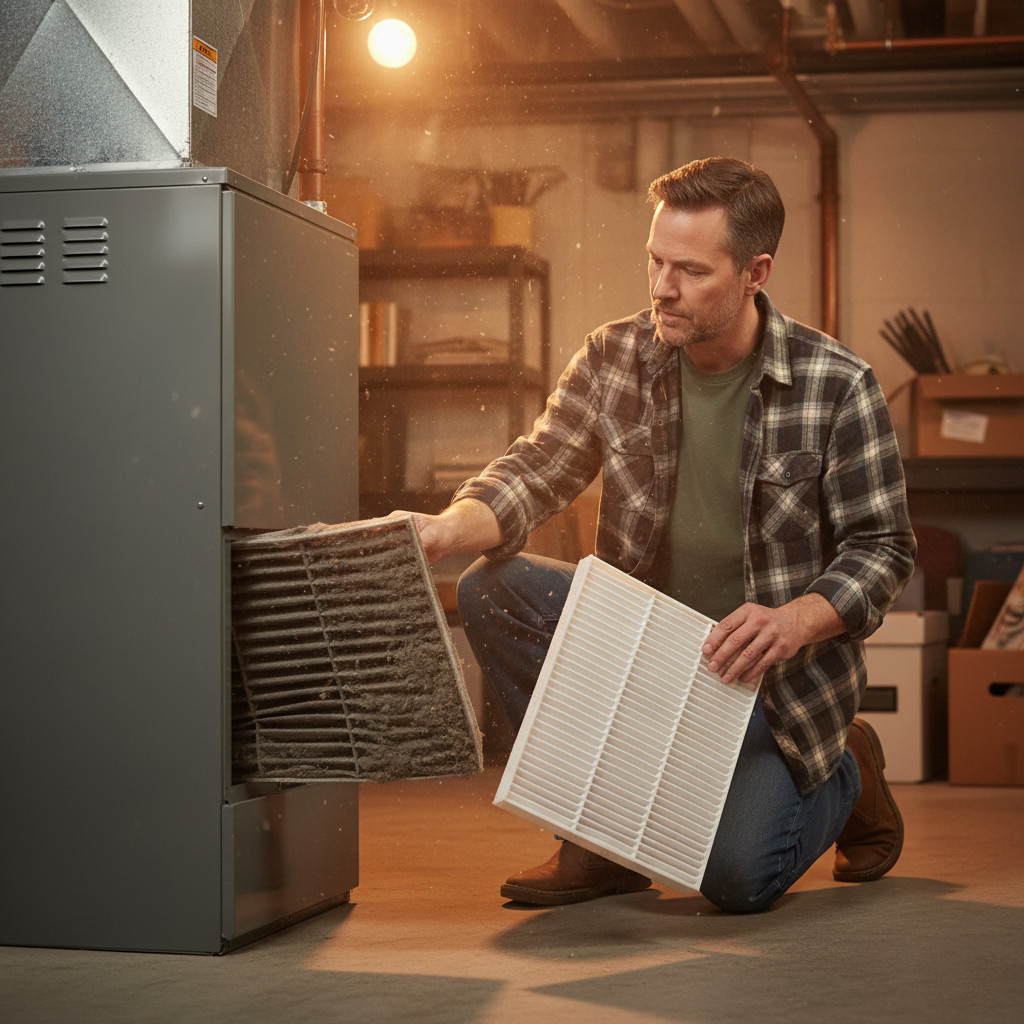
Design isn’t just about the first day; it’s about the next ten years. Leave enough clearance around the unit for easy filter changes.
Include a dedicated service panel so a tech can reach the most critical parts without tearing down walls. A little foresight now saves a lot of hassle later.
Selecting the Right Equipment: AC, Heat Pump, and Furnace Options
Central Air Conditioning – The Desert’s First Line of Defense
When the sun hits 105°, a solid central AC is your best friend. Look for units with a SEER rating of 15 or higher; they pull more cooling power per watt. Don’t be fooled by cheap models that gulp electricity like a thirsty camel.
Heat Pumps – The All‑Season Joker
Modern heat pumps work like a two‑way street: they chill in summer and warm in winter. In Tempe’s mild winters, a cold‑climate heat pump can replace both a furnace and an AC, shaving off upfront costs. Just make sure the HSPF is at least 9 to keep the bills from spiraling.
Furnaces – When You Need Pure Heat
If you have a legacy system or love that furnace roar, a high‑efficiency gas furnace (AFUE 95%+) will keep you cozy when temps dip below 55°. Pair it with a well‑sized air handler, and you avoid the dreaded “hot spots” that plague older homes.
Here’s a quick cheat sheet to compare:
- Central AC – Best for peak summer heat; simple install; higher electric use.
- Heat Pump – Dual‑purpose; lower running cost in mild winters; needs proper sizing.
- Furnace – Pure heat; reliable in cold snaps; may require separate AC unit.
Pick the gear that matches your lifestyle, not the one that looks shiny on the showroom floor. A well‑chosen system will ride Tempe’s temperature roller‑coaster without breaking the bank.
Proper Sizing and Load Calculations for Desert Homes
Why Size Matters
In a Tempe desert home, an undersized unit will gasp for air while a monster‑sized system will run like a hamster on a wheel. Both scenarios drain your wallet and leave rooms uncomfortable.
Getting the size right means:
- Consistent indoor temps from sunrise to sunset.
- Lower utility bills because the system isn’t over‑working.
- Longer equipment life – fewer breakdowns, fewer calls to the repair guy.
Doing the Math: Manual J Made Simple
The industry’s gold standard is a Manual J load calculation. It looks at square footage, window orientation, insulation, and even the number of occupants.
Key steps:
- Measure each room’s square feet.
- Identify sun‑exposed walls (south and west get the most heat).
- Factor in ceiling height and insulation R‑value.
- Enter data into a reputable calculator or let a pro run the numbers.
Common Mistakes & Quick Fixes
Homeowners often rely on “rule‑of‑thumb” sizing – 1 ton per 600 sq ft. In Tempe that’s a recipe for disaster.
Instead, double‑check these:
- Don’t ignore attic heat gain. A poorly ventilated attic can add 10‑15 % to cooling load.
- Make sure the air handler matches the coil capacity. Mismatched parts waste energy.
- Consider a variable‑speed blower. It smooths out temperature swings without blowing your budget.
Ductwork Design and Air Distribution Strategies
In a desert home, the duct network is the highway that moves cool air from the unit to every corner. If the pipes are too small, you’ll feel a draft that never reaches the bedroom; too big, and the system wastes power fighting friction. Seal every joint and keep the runs as straight as possible to let the air flow like a river.
Smart Zoning and Balancing
- Separate zones for sun‑baked living rooms and shaded bedrooms let you dial down the thermostat where you need it most.
- Install motorized dampers that close off unused sections during peak heat.
- Use manual balancing doors to fine‑tune airflow after the first season.
Choosing the right duct material matters just as much as the layout. Rigid metal with a vapor barrier resists condensation, while insulated flexible ducts keep the chill from escaping in the attic. Position return grilles low and away from direct sunlight to pull in cooler air, and you’ll see a noticeable drop in your energy bill.
Case Study: Transforming Comfort and Savings in a Tempe Residence
Before the Upgrade
John’s 2,300‑sq‑ft ranch sat on a sun‑baked lot, and his old 2‑ton split‑system was fighting a losing battle against 105°F afternoons and chilly 55°F mornings. The thermostat was a roulette wheel—one room froze while another baked. Energy bills ballooned to $350 a month, and the family was ready to throw in the towel.
The Solution
We swapped the tired split for a 3‑ton, variable‑speed heat pump paired with a smart zoning controller. New, insulated ductwork was sealed, and a dedicated return for the master bedroom kept temperature swings in check.
- Comfort boost: All rooms stay within 2°F of the set point.
- Energy cut: Monthly usage dropped 28%, saving roughly $100.
- Longevity: Proper sizing and airflow reduced wear, extending equipment life by 5+ years.
Final Words
Ready to stop guessing and start owning your comfort? Grab a free home assessment from a local Tempe pro and let the numbers do the talking. A proper design isn’t a luxury—it’s the cheapest way to keep your energy bills from exploding.
Quick Wins You Can Deploy Today
- Swap out old thermostat for a smart, programmable model.
- Seal any obvious duct leaks with foil tape or mastic.
- Install a ceiling fan in each major room to shave off 10‑15% of cooling load.
These tweaks cost pennies but pay back in months. When you’re ready for the full upgrade, dive into our HVAC System Design guide for the exact specs that survive Tempe’s heat swings without breaking the bank.
People Also Ask
What HVAC system works best for Tempe’s hot summers?
A high-efficiency central air conditioner or a heat pump with a high SEER rating is ideal for cooling desert temperatures while keeping energy costs low.Do I need a furnace in Tempe’s mild winters?
Most homes benefit from a gas or electric furnace for occasional cold snaps, but a heat pump can provide both heating and cooling, simplifying the system.How is HVAC equipment sized for a desert home?
Professional load calculations (Manual J) consider square footage, insulation, sun exposure, and window orientation to ensure the unit is neither oversized nor undersized.What ductwork design improves airflow in a Tempe residence?
A sealed, insulated duct system with properly sized supply and return trunks, plus strategically placed registers, maximizes comfort and reduces energy loss.Can a smart thermostat lower my HVAC bills in Tempe?
Yes, a programmable or Wi‑Fi thermostat optimizes cooling schedules, adapts to daily temperature swings, and can cut energy usage by up to 15 %.
Tempe HVAC brings over a decade of specialized heating and cooling expertise to homes and businesses throughout Tempe, AZ. Their team combines certified technicians with a deep understanding of the local climate to deliver reliable, energy‑efficient solutions. Committed to responsive service, they prioritize comfort and safety for the community they serve.
Need HVAC?
We deliver fast, results‑driven solutions for homes and businesses in Tempe, AZ and neighboring communities. Service covers the 85281, 85282, 85283, 85284, and 85285 ZIP codes.
Request HVAC Quote