
Picture this: the heat of a Tempe July afternoon slams your storefront, and the brand‑new commercial AC you just paid good money for sputters, whines, and barely keeps the temperature down. That nightmare isn’t a myth—it’s the result of a handful of rookie errors that most business owners never see coming.
From picking a unit that’s either too big or too small, to ignoring the quirks of our desert climate, to skimping on proper ductwork and permits, each slip can add thousands to your operating costs and leave you scrambling for a fix. And let’s be honest, the last thing you need is a busted system when your customers are counting on a cool, comfortable space.
Stick around, and you’ll learn the exact steps to sidestep those costly pitfalls, protect your bottom line, and keep your AC humming smoothly all year long.

Understanding Tempe’s Desert Climate and Its Influence on Commercial AC Design
Tempe basks in more than 300 days of sunshine a year, and summer temperatures routinely hit the high‑90s. That relentless heat forces any commercial HVAC system to work harder, which means higher energy bills and faster wear‑and‑tear if you don’t plan right.
Key Desert Factors That Shape Your System
- Extreme daytime heat – peaks that can jump 20°F in an hour.
- Low humidity – makes the air feel hotter and can dry out equipment.
- Intense solar gain – roofs and glass façades act like giant ovens.
- Rapid night‑time cooling – creates “thermal shock” for undersized units.
Because the sun is a relentless adversary, you’ll want a unit that can handle high sensible loads without choking on the dry air. Choosing a system with a high SEER rating isn’t a luxury; it’s a necessity to keep the thermostat steady and the electricity meter from screaming.
Design Implications for Your Business
When you factor in the desert’s quirks, the design shifts from “just cool the space” to “manage heat, sun, and moisture all at once.” That means:
- Properly insulated ductwork to stop heat creep.
- Variable‑speed compressors that can dial back when the night cools.
- Strategic placement of return air to avoid hot‑spot buildup.
Ignore any of these, and you’ll end up with a system that’s either constantly on the brink of overload or, worse, cycling off too early and leaving customers sweating. Understanding the climate first saves you from costly redesigns down the road.
Accurate Load Calculations: How to Avoid Over‑Sizing or Under‑Sizing Your Unit
Why Guesswork Costs You
Skipping a proper load analysis is like buying a race car for a city commute—you're paying for power you’ll never use.
When you oversize the system, the compressor cycles on and off, wasting energy and shortening equipment life.
Undersizing means the unit runs nonstop, your electric bill spikes, and customers feel the heat.
- Higher utility bills
- Frequent repairs
- Uncomfortable indoor environment
What a Real Load Calculation Looks Like
A certified HVAC engineer will run a Manual J (or its commercial equivalent) that accounts for every heat source.
Key variables include:
- Square footage and ceiling height
- Building orientation and shading
- Window type, glazing, and solar gain
- Occupancy density and equipment heat load
- Local humidity and desert temperature swings
These numbers feed into a precise BTU requirement, not a guess.
How to Match the Unit to the Load
Once you have the BTU figure, compare it to the rated capacity of commercial units.
Target a system that can handle 80‑120% of the calculated load—enough headroom for peak days without the waste of a giant unit.
Ask your installer for a capacity‑to‑load ratio chart; if the ratio is too high, walk away.
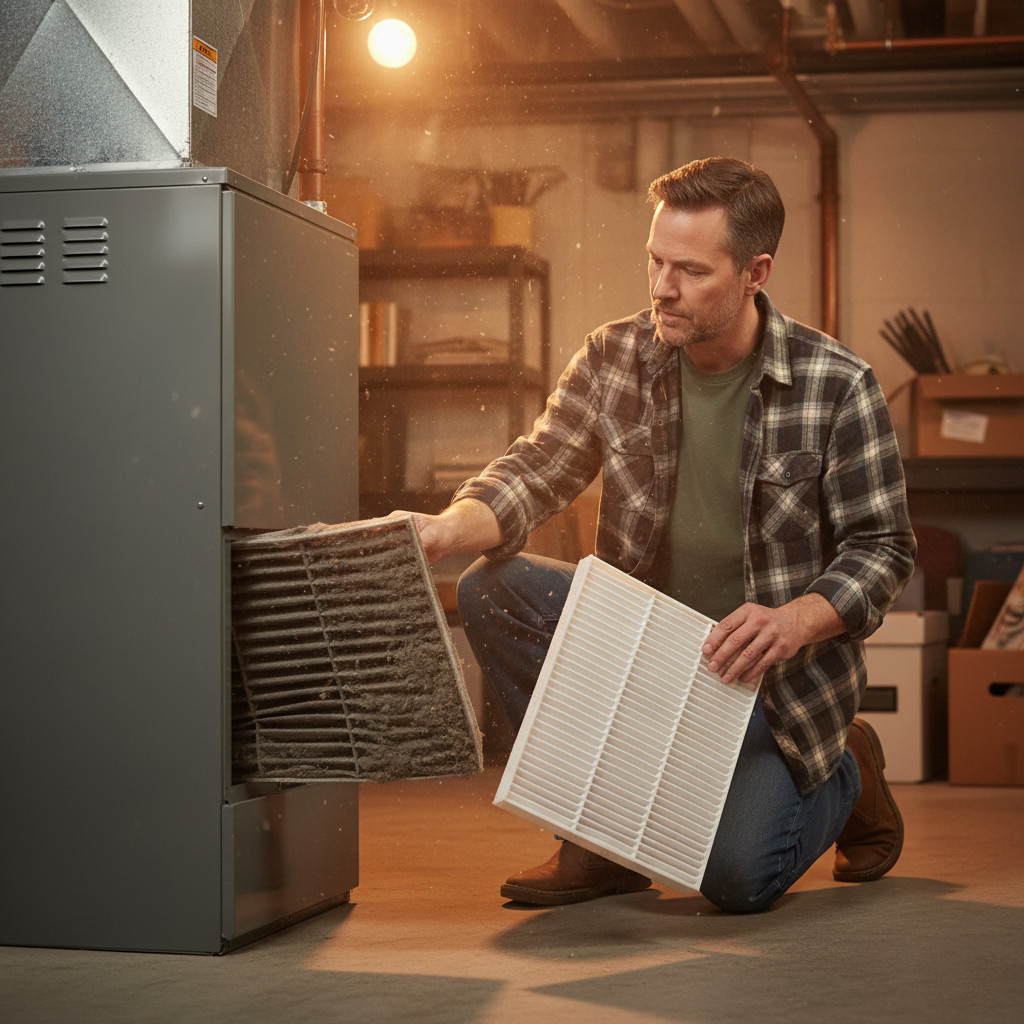
Choosing the Right Commercial AC System for Your Business Type and Budget
Match the System to Your Operation
First, ask yourself what the space actually does. A 24‑hour data center needs constant, precise cooling, while a boutique that opens only evenings can get away with a smaller, on‑demand unit. Identify peak load periods and the type of occupancy—customers, employees, equipment—and you’ll avoid buying a dinosaur that never runs.
Next, consider the layout. Open‑plan offices benefit from a centralized rooftop unit, whereas a restaurant with a kitchen and dining area may need a split system that isolates heat‑producing zones. Tailor the solution to the floor plan, not the other way around.
System Options That Fit Different Budgets
Here’s a quick cheat sheet of the most common commercial AC families and where they shine:
- Rooftop Packaged Units (RTUs) – Ideal for large, single‑story spaces; easy to service.
- Water‑Source Chillers – Best for multi‑story buildings with existing plumbing loops.
- Variable Refrigerant Flow (VRF) – Perfect for mixed‑use spaces; scales up or down without waste.
- Split‑System Ductless – Great for retrofits or areas where ductwork is a nightmare.
Mind the Money, Not Just the Price Tag
Don’t get fooled by the upfront cost. A cheap unit that guzzles electricity will bleed your profit line faster than a premium model that runs lean. Look at total cost of ownership: installation, energy use, maintenance, and expected lifespan.
Ask your installer about financing options, seasonal rebates, and energy‑efficiency incentives from the city of Tempe. A modest up‑front investment can unlock tax credits that shave thousands off the bill over the next five years.
Ductwork Planning and Installation Best Practices for Optimal Performance
In a desert market like Tempe, the duct network is the highway that carries cool air to every corner of your space. If the route is crooked or leaky, you’ll feel the heat no matter how big the unit is. Start with a clean, straight‑run design and keep turns to a minimum—each bend adds resistance and drives up energy use.
Seal the Deal
Even a tiny crack can turn a perfectly sized system into a money‑sucking monster. Follow these simple steps:
- Use mastic or UL‑listed foil tape on every joint—no cheap duct tape.
- Inspect every connection with a smoke pencil; any visible drift means you need more sealant.
- Wrap insulation tightly around ducts in unconditioned spaces to stop heat gain.
Future‑Proof Your System
Think ahead so you don’t have to rip out walls later. A few forward‑thinking moves can save you headaches:
- Leave extra slack in the main trunk for potential add‑ons.
- Install access panels at key points for easy cleaning and filter changes.
- Choose galvanized steel or insulated flex duct that can handle Tempe’s temperature swings without warping.
Permits, Inspections, and Code Compliance: What Every Business Owner Must Know
Know the Permit Process Before You Break Ground
In Tempe, a commercial AC install can’t just start without a building permit. The city’s Planning & Development Department checks that your system meets the local energy code and fire safety rules. Skipping this step? You’ll face fines, a forced shutdown, and a costly re‑work.
Grab the right forms early. You’ll need:
- Mechanical permit application
- Electrical permit (if you’re adding new wiring)
- Proof of contractor licensing
Submit them online, pay the fee, and wait for the city’s stamp of approval. It’s a small time investment that saves you weeks of delay.
Inspection Checklist – Don’t Let the Inspector Catch You Off Guard
Once the unit is in place, the city sends an inspector to verify everything matches the approved plans. Miss a duct seal or an oversized refrigerant line, and you’ll get a “stop work” order.
Make sure you have:
- All ductwork sealed with mastic, not just foil tape
- Proper clearances around the condenser (at least 3 feet from walls)
- Correctly sized circuit breakers and disconnects
Having a qualified HVAC contractor walk the site with you before the inspector arrives can catch these slip‑ups.
Stay Code‑Compliant for the Long Haul
Arizona’s Title 24 energy standards aren’t a suggestion; they’re law. Your system must meet the Seasonal Energy Efficiency Ratio (SEER) minimums and have proper controls.
Keep records of:
- Manufacturer’s performance data
- Installation manuals signed by the installer
- Annual maintenance logs (the city may ask for them during a future audit)
When you stay on top of paperwork, you avoid surprise penalties and keep your customers comfortable year‑round.
Case Study: Successful Commercial AC Installation for a Tempe Retail Store
Background
A trendy boutique on University Drive needed a cooling solution that could handle scorching July highs without blowing the budget. The owner, Maya, was fed up with a patchwork of window units that rattled and wasted power.
We stepped in, ran a full load analysis, and mapped the floor plan to spot trouble spots before the first pipe was cut.
What We Did Differently
Three moves made the difference:
- Precision sizing: A 25‑ton variable‑speed rooftop unit matched the exact BTU demand, avoiding the common pitfall of over‑sizing.
- Custom ductwork: Instead of a one‑size‑fits‑all chase, we designed insulated, low‑velocity ducts that followed the store’s layout, eliminating hot pockets.
- Code‑first approach: All permits were secured ahead of time, and the installation passed the city inspection on the first try.
Results
Within the first month, the boutique saw a 30% drop in energy bills and a noticeable boost in customer comfort. Staff reported fewer maintenance calls, and the system’s smart controls kept the temperature steady even during record‑breaking heat waves.
Bottom line: a well‑planned install paid for itself in less than a year, and Maya can finally focus on selling fashion, not fighting the thermostat.
Final Words
Stay Ahead of the Heat
Don’t wait for a scorching day to discover a problem. Schedule a quarterly walk‑through of your system and log every reading—temperature, pressure, and airflow. A quick visual check can catch a loose clamp or a clogged filter before it turns into a $5,000 repair.
Leverage Local Know‑How
Tempe’s desert swings are unique; a contractor who knows the city’s micro‑climates will size your unit right the first time. Keep a file of all permits, inspections, and warranty paperwork in one place so you can pull it out when a city auditor knocks.
- Ask for a copy of the load calculation report.
- Verify that duct insulation meets local code.
- Confirm the contractor is licensed for commercial work in Maricopa County.
Ready to Get It Done Right?
If you’re serious about avoiding the rookie mistakes that bleed money, reach out to a team that lives and breathes Commercial AC Installation in Tempe. A solid install today means fewer emergency calls tomorrow, and that’s the kind of ROI every business owner loves.
People Also Ask
What factors of Tempe’s desert climate affect commercial AC design?
The extreme heat, low humidity, and high solar gain in Tempe require AC systems with higher cooling capacities and robust components that can handle frequent cycling. Proper insulation and shading also help reduce the load on the system.How can I ensure accurate load calculations for my commercial space?
Hire a certified HVAC engineer to perform a Manual J or Manual N calculation that considers square footage, occupancy, equipment heat, and local climate data. This prevents costly over‑sizing or under‑sizing of the unit.What type of commercial AC system is best for a small retail store in Tempe?
A packaged rooftop unit (RTU) or a split system with variable speed compressors often provides the right balance of efficiency and cost for small retail spaces. Choose a model with a SEER rating of 14 or higher for optimal savings.Do I need permits and inspections for a commercial AC installation in Tempe?
Yes, Tempe requires building permits, mechanical permits, and final inspections to ensure code compliance and safety. Failure to obtain them can result in fines and forced removal of the equipment.How important is proper ductwork design for commercial AC performance?
Correctly sized and sealed ductwork minimizes pressure loss, improves airflow, and reduces energy consumption. Poor duct design can lead to uneven temperatures and higher utility bills.
Tempe HVAC brings over 15 years of residential and commercial climate‑control expertise to the Tempe community. Their certified technicians specialize in energy‑efficient heating, cooling, and indoor‑air‑quality solutions tailored to local conditions. Committed to reliable service, they prioritize prompt response and transparent communication for every project.
Need HVAC?
We deliver fast, results‑driven solutions for homes and businesses in Tempe, AZ and neighboring communities. Service covers the 85281, 85282, 85283, 85284, and 85285 ZIP codes.
Request HVAC Quote